A Preventive Maintenance Plan for Small Commercial Properties
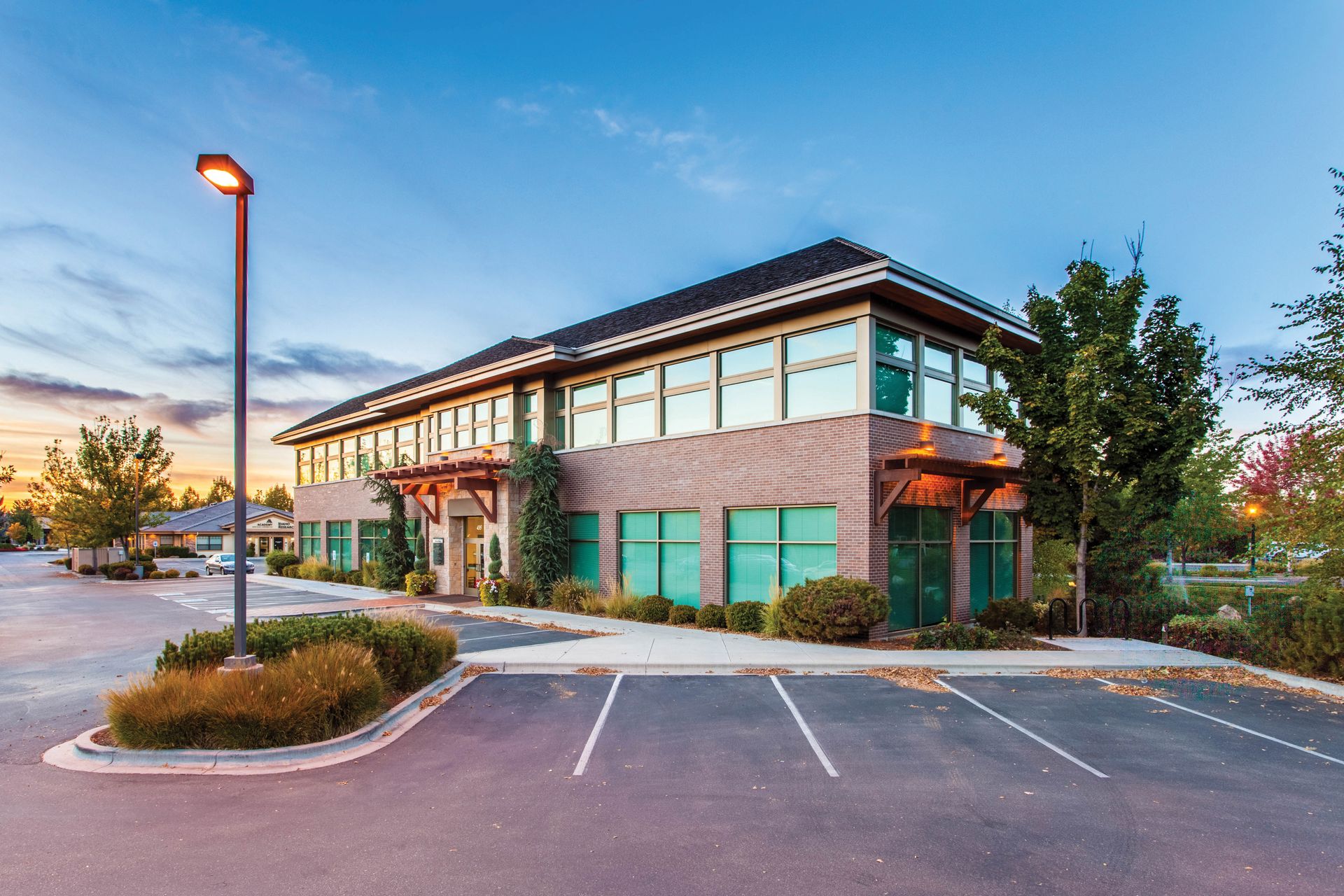
Large facilities run maintenance programs because they have staff whose job is maintenance. Small commercial properties (a strip retail center, a two-story office building, a light industrial bay, a restaurant space) usually do not. They run on reaction: something fails, someone calls someone, an invoice arrives.
The cost difference is not subtle. A failed rooftop unit in August means emergency-rate labor, expedited parts, and potentially a tenant who cannot operate. The quarterly service that would have caught the failing capacitor costs a fraction of that, and can be scheduled on a Tuesday morning.
What follows is how to build a real program for a small portfolio, without hiring anyone.
Step one: inventory the systems, not the building
"The building" is not a maintainable unit. Break each property into the systems and components that actually get serviced, because those are what carry intervals, warranties, and service histories.
- HVAC. Each rooftop unit, split system, or boiler individually, with make, model, serial, tonnage, and install date. Multi-tenant buildings often have units of different ages and different responsible parties.
- Roof. Type (TPO, EPDM, modified bitumen, shingle), install date, warranty term, and warranty holder. Note that most commercial roof warranties require documented periodic inspection to stay valid.
- Plumbing. Water heaters, backflow preventers, grease interceptors, sump and lift pumps, main shutoff locations.
- Electrical. Main service and panel locations, panel schedules, exterior and parking lot lighting, any generator or transfer switch.
- Fire and life safety. Alarm panel, sprinkler system and riser, extinguishers, emergency and exit lighting. These carry inspection requirements set by code, not by preference.
- Building envelope and site. Parking lot and striping, sidewalks, exterior doors and hardware, windows, signage, landscaping and irrigation, storm drains.
- Vertical transportation. Elevators and lifts, if present, with the current inspection certificate.
This inventory takes an afternoon per building. It is the foundation for everything else, and it is the piece most often skipped.
Step two: assign intervals
Manufacturer recommendations are the starting point, then adjust for climate, usage, and code. Typical intervals for a small commercial property:
- HVAC filters: monthly to quarterly depending on the environment. A restaurant or a machine shop is not an office.
- HVAC full service: twice yearly, before cooling season and before heating season.
- Roof inspection: twice yearly plus after any major storm. Clear drains and scuppers each time, because most commercial roof failures start with standing water.
- Fire extinguishers: monthly visual check, annual professional inspection.
- Sprinkler and alarm systems: per NFPA and your local jurisdiction; typically quarterly and annual components. Verify with your authority having jurisdiction rather than assuming.
- Backflow preventer: annual certified testing, required in most municipalities.
- Grease interceptor: per local ordinance, often quarterly for food service.
- Emergency lighting: monthly 30-second test, annual 90-minute test.
- Parking lot: annual assessment; seal coat every three to five years, restripe as needed.
Two categories deserve special attention. Anything code-mandated is not optional and creates liability if missed. Anything tied to a warranty condition, commercial roofs especially, can void significant coverage if the documentation lapses.
Step three: make the work orders useful later
A completed task that records nothing is a task you will repeat blindly. Every service visit should leave behind:
- Date, vendor, and technician.
- Which specific component was serviced. "RTU-3," not "HVAC."
- What was done, and what parts were used, with model numbers.
- What was found but not fixed. The most valuable field on the form. "Compressor drawing high amps, recommend replacement within 12 months" is how you plan a capital expense instead of absorbing an emergency.
- Cost, with the invoice attached.
- Photos. Before and after, particularly for roof and envelope work you cannot easily re-inspect.
Two years on, this is what lets you answer the questions that actually come up: when was RTU-2 last serviced, is this the third compressor failure on the same unit, what did we spend on plumbing at this property last year, and is this quote reasonable.
Step four: budget from the record
Once you have a year or two of history, maintenance stops being a surprise line item. You can see actual annual spend per property and per system, identify components consuming disproportionate repair dollars (usually a sign that replacement is now cheaper than continued repair), and project capital replacements from install dates and expected service life.
That last point matters most. A twenty-year TPO roof installed in 2011 is a known expense arriving around 2031. Knowing that a decade out is the difference between a planned reserve and an emergency assessment.
Step five: keep it in one place
Programs collapse when the information scatters: some in a property manager's email, some in a filing cabinet, some in the head of a contractor who retires. A record tied to the property and its components survives all of that.
Owner Page is built for exactly this shape of work: properties broken into components and sections, recurring tasks with reminders, a vendor directory tying each job to the contractor who performed it, and documents and photos attached where they belong. It works the same for one building as it does for a small portfolio.
Start a free Owner Page account, or read more about Owner Page for commercial maintenance. Begin with a single building and its HVAC. That alone will pay for the effort the first time a unit stops working in July.